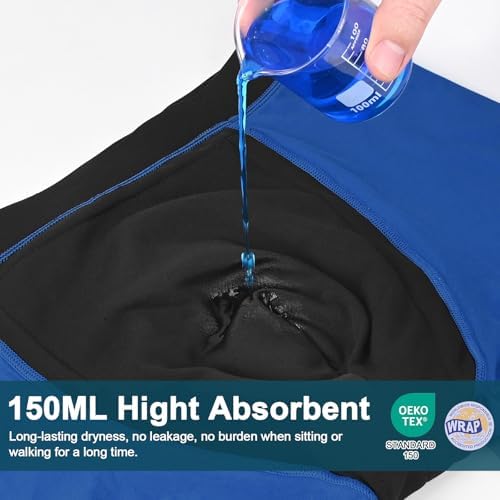
Reusable leakproof underwear is not delicate. It goes in the machine with everything else. But there is one habit that quietly destroys it, and it is the single most common reason people conclude the product "stopped working".
Fabric softener is the problem
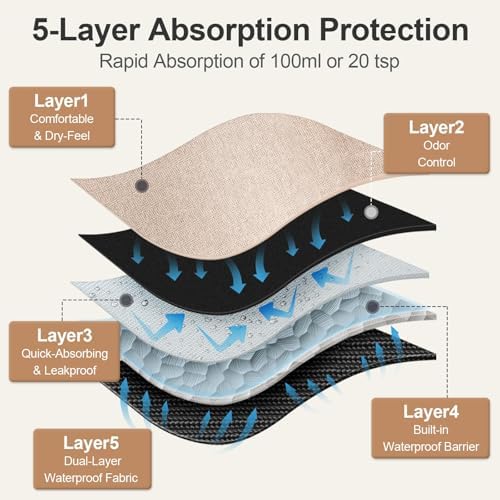
Softener works by coating fibres in a thin waxy film. That is exactly what you want on a towel you are trying to make fluffy, and exactly what you do not want on an absorbent core whose entire job is to pull liquid in fast.
The coating repels moisture. A pair that has been through a few softener washes will start to leak at the surface before the core has taken anything in, which feels like the garment failing rather than the detergent aisle failing you. Dryer sheets do the same thing.
If it has already happened, it is often recoverable: run a couple of hot washes with detergent and no softener, and much of the residue strips out.
The routine that works
- Rinse in cold water after wearing. Cold, not hot — heat sets protein stains. A quick rinse in the sink or a cold pre-soak is enough.
- Machine wash cold or warm on a normal cycle, with the rest of your laundry. No separate load needed.
- Ordinary detergent, no softener, no bleach. Bleach degrades both the absorbent core and the waterproof membrane.
- Tumble dry low, or hang to dry. High heat over time is hard on the membrane. Air drying is gentlest and they dry fast.
Things that are fine
Washing them with other clothes. Using a normal biological detergent. Occasional hot washes if you want to, though warm is enough for hygiene in a domestic machine. Ironing is unnecessary but the outer fabric survives a cool iron if you insist.
Things to avoid
- Fabric softener and dryer sheets, as above
- Bleach or oxygen bleach on the gusset
- Very high dryer heat, repeatedly
- Storing them damp — the membrane is fine, but nothing else about that is a good idea
How long a pair should last
Treated this way, a pair holds its absorbency for 200-plus washes. At a normal rotation that is roughly six months to a year of regular use before you notice performance dropping. What usually goes first is elastic recovery at the waistband rather than the core.
If absorbency drops off sharply well inside that window and softener is not the cause, that is a fault rather than wear — send us a photo and your order number and we will replace it. You do not need to send it back.
La ropa interior antifugas reutilizable no es delicada. Va a la lavadora con todo lo demás. Pero hay un hábito que la destruye en silencio, y es el motivo más frecuente por el que la gente concluye que el producto «dejó de funcionar».
El suavizante es el problema
El suavizante funciona recubriendo las fibras con una fina película cerosa. Es justo lo que quieres en una toalla que buscas esponjosa, y justo lo que no quieres en un núcleo absorbente cuya única función es captar líquido rápido.
Ese recubrimiento repele la humedad. Un par que ha pasado por varios lavados con suavizante empieza a tener fugas en la superficie antes de que el núcleo haya absorbido nada, lo que parece un fallo de la prenda y en realidad es un fallo del pasillo de detergentes. Las toallitas para secadora hacen lo mismo.
Si ya ha ocurrido, suele tener arreglo: haz un par de lavados calientes con detergente y sin suavizante, y buena parte del residuo se elimina.
La rutina que funciona
- Enjuaga con agua fría después de usarla. Fría, no caliente: el calor fija las manchas proteicas. Basta con un enjuague rápido en el lavabo o un remojo frío.
- Lava a máquina en frío o en tibio, en un ciclo normal, con el resto de tu ropa. No hace falta una colada aparte.
- Detergente normal, sin suavizante y sin lejía. La lejía degrada tanto el núcleo absorbente como la membrana impermeable.
- Secadora a baja temperatura o al aire. El calor alto mantenido castiga la membrana. Secar al aire es lo más suave y se secan rápido.
Cosas que no son problema
Lavarlas con otra ropa. Usar un detergente biológico normal. Algún lavado caliente puntual si quieres, aunque el tibio basta para la higiene en una lavadora doméstica. Planchar es innecesario, pero el tejido exterior aguanta una plancha templada si insistes.
Cosas que evitar
- Suavizante y toallitas de secadora, como se ha dicho
- Lejía o lejía de oxígeno en la zona absorbente
- Secadora muy caliente, de forma repetida
- Guardarlas húmedas: la membrana aguanta, pero nada más en esa idea es buena
Cuánto debería durar un par
Tratado así, un par mantiene su absorción más de 200 lavados. Con una rotación normal son entre seis meses y un año de uso habitual antes de notar una caída de rendimiento. Lo que suele ceder primero es la elasticidad de la cintura, no el núcleo.
Si la absorción cae bruscamente mucho antes de ese plazo y el suavizante no es la causa, eso es un defecto y no desgaste: envíanos una foto y tu número de pedido y te lo sustituimos. No hace falta que lo devuelvas.